Hands in Floral Frame Line Art: A Designer's Real-World Embroidery Review
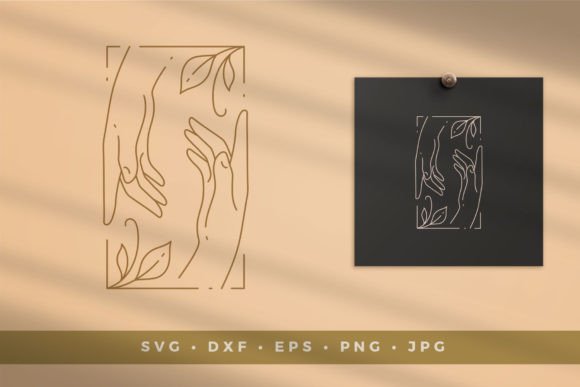
When I first opened the folder for Hands in Floral Frame Line Art, my initial reaction wasn't about the file format or the stitch count. It was about the mood. As a designer who spends hours staring at screens and then transferring those visions to fabric, I look for that specific spark where a digital image transforms into something tactile. This design captures a gentle, welcoming energy immediately. The composition of hands gently cradling a floral frame suggests protection, care, and growth. It feels less like a generic graphic and more like a sentiment waiting to be stitched.
In the world of Illustrations and Graphics, there is often a fine line between a design that looks good on a screen and one that holds up under the tension of an embroidery machine. My review of this piece focuses entirely on its performance in real-world scenarios, from high-volume commercial runs to delicate personalized gifts. If you are considering adding this to your inventory or using it for a special project, here is what you need to know before you hit "Start" on your machine.
The First Stitch: Visual Impact and Mood
The layout of Hands in Floral Frame Line Art is naturally balanced, which is crucial for embroidery. Unlike complex photorealistic designs that can lose detail when digitized, this line art style relies on clean lines and open spaces. When I imagine this stitched out, the negative space allows the thread texture to shine without overwhelming the viewer. It creates a soft, organic feel that works exceptionally well for brands focused on wellness, handmade goods, or nursery themes.
The visual personality here is one of warmth. Whether you are stitching this onto a baby onesie or a boutique tote bag, the design communicates a human touch that mass-produced items simply cannot replicate. For the Etsy seller or small business owner, this is a powerful asset because it elevates the perceived value of the finished product. It doesn't just look like a logo; it looks like a story.
Real-World Application: From Concept to Finished Product
To truly understand how this design behaves, I put myself in the shoes of a maker preparing a custom order. Let's say I am creating a collection of aprons for a local farmer's market vendor. I want the design to sit prominently on the chest area. Hands in Floral Frame Line Art fits this scenario perfectly. The framing effect draws the eye inward, making the hands the focal point while the floral elements add a touch of elegance without cluttering the garment.
I also considered the versatility of this design for different products. Imagine a set of matching kitchen towels for a wedding gift. The line art style translates beautifully to white or cream cotton, offering a crisp contrast that feels timeless. For custom apparel like sweatshirts, the design adds a sophisticated layer of detail that avoids looking too childish or overly corporate. It strikes a balance that appeals to a wide demographic.
For those selling digital embroidery files or creating mockups for their shop, this design offers excellent potential. The clean lines make it easy to visualize on various backgrounds in software, helping clients see exactly how the final embroidery project will look. It serves as a strong anchor for brand consistency, allowing you to build a cohesive aesthetic across t-shirts, patches, and home decor items.
Navigating Challenges: Where Caution is Key
While this design is versatile, no single file is a magic bullet for every situation. As an experienced reviewer, I must highlight where Hands in Floral Frame Line Art might struggle if not handled with care. One of the primary concerns is the hoop size. If you attempt to stitch this on a very small hoop, such as those used for hat panels or small wrist cuffs, the details of the fingers and the delicate petals may become distorted or lost entirely.
Textured fabrics present another hurdle. If you are working with a heavy, nubby linen or a fuzzy fleece, the definition of the line art could get swallowed by the fabric's surface. Similarly, stretchy fabrics require a robust stabilizer strategy. Without proper support, the tension of the stitches might cause the design to pucker, ruining the clean look of the hands and flowers.
Dense stitch areas are also worth noting. If the digitization includes large fill stitches within the floral elements, you need to ensure the thread density isn't too high for the fabric weight. On thin materials, excessive density can lead to bird nesting or fabric tearing. Additionally, if you plan to use this on dark fabric, the contrast becomes critical. You will need to select thread colors carefully to ensure the line art remains visible and legible.
Practical Tips for Embroidery Designers
Before committing this design to a final client project, I strongly recommend running a few tests. Start by stitching Hands in Floral Frame Line Art on scrap fabric that matches your intended material. Check the stitch density closely; if the fills look too tight, the design may need trimming or re-digitizing to breathe better.
Always inspect small details like the tips of the fingers and the edges of the leaves. These tiny areas are often the first to suffer if the needle gauge is too thick or the stabilizer shifts. Using a proper stabilizer is non-negotiable here; a tear-away or cut-away backing will help maintain the structural integrity of the frame.
Don't forget to test your thread colors. Sometimes a color that looks perfect on a monitor appears muddy once stitched. Try a black-and-white mockup first to verify the contrast levels. If you are planning to sell finished items commercially, double-check the licensing terms included in the download. Ensure you have the rights to produce and sell the physical goods created with this embroidery file.
Final Verdict: A Solid Addition to Your Toolkit
Hands in Floral Frame Line Art is a thoughtful, well-composed design that brings a sense of calm and craftsmanship to any project. Its strength lies in its simplicity and emotional resonance. It is ideal for personalized gifts, holiday embroidery projects, and boutique branding where a human connection is desired.
However, success depends on execution. By paying attention to fabric choice, stabilization, and thread selection, you can transform this digital asset into a stunning finished product. Whether you are an apparel decorator expanding your catalog or a hobbyist making a keepsake, this design offers a reliable foundation for creativity. Just remember to test thoroughly, respect the limits of the medium, and let the quality of your work speak for itself. When done right, the result is not just an embroidered image, but a cherished object that carries the spirit of the maker.